

If you or your child is getting ready to start orthodontic treatment, you may be wondering how metal braces actually move teeth into healthier, more aligned positions. Metal braces have been trusted for decades because they’re effective, customizable, and suitable for a wide range of orthodontic needs. Understanding how they function can make the treatment process feel more predictable and even exciting. With guidance from our orthodontist in Redding, CA, you can feel confident about what to expect at every stage.
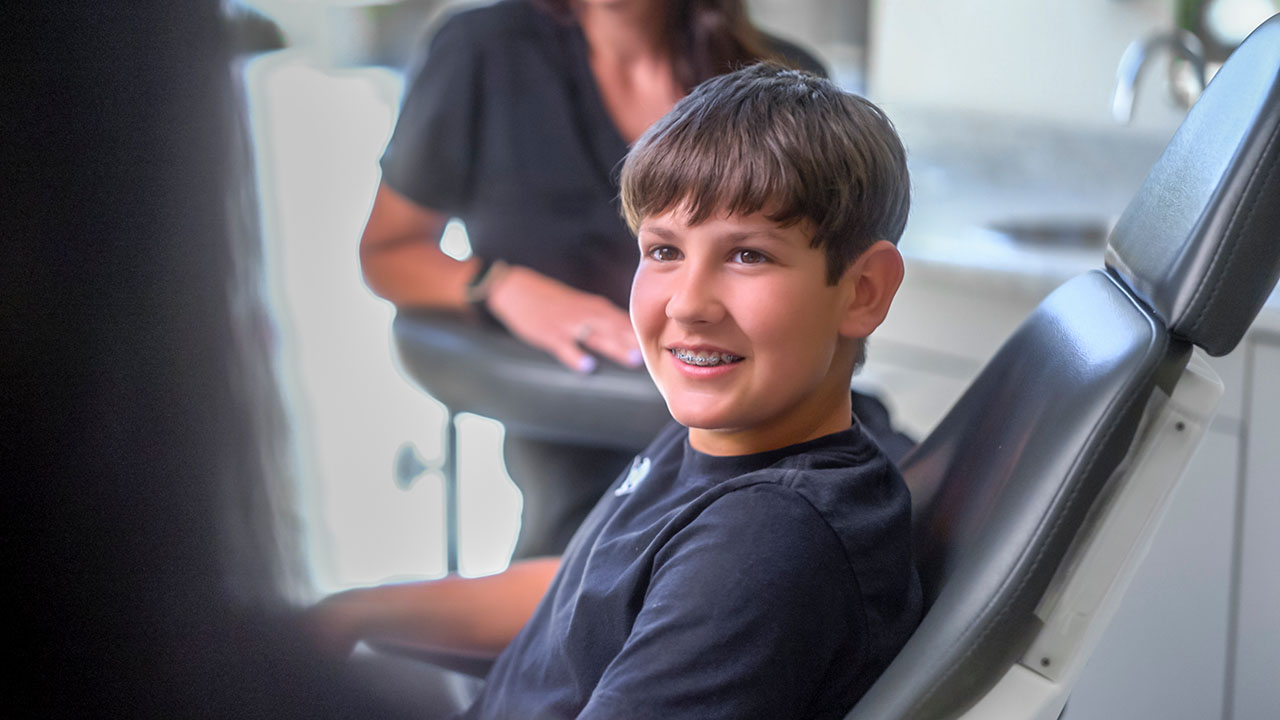
Metal braces may look simple, but they’re designed with precise engineering to guide teeth into their ideal positions.
Together, these parts form a stable system that moves teeth gradually and safely.
Teeth don’t move because of the braces themselves. They move because of the pressure that braces apply. When the archwire pushes or pulls on a tooth, the bone around that tooth begins to remodel. The body naturally breaks down bone on one side of the root and rebuilds new bone on the other side. This process allows your tooth to shift into a more aligned position without causing damage.
Metal braces are especially effective because they apply consistent, controlled forces that work with your body’s natural processes.
Throughout treatment, you’ll visit your orthodontist periodically for adjustments. During these visits, the archwire may be tightened, replaced, or reshaped to continue guiding your teeth. These small changes are essential because they ensure that your teeth move safely and efficiently. Thanks to modern orthodontic methods, adjustments today are more comfortable and precise than ever before.
One of the major advantages of metal braces is their versatility. They can treat simple alignment concerns as well as more complex bite problems.
Since are strong and dependable, they’re often recommended for patients who need significant adjustments or long-term correction.
Most patients wear metal braces for 18 to 24 months, though the timeline varies depending on the complexity of the case. During treatment, it’s important to maintain great oral hygiene, avoid hard or sticky foods, and attend regular checkups to prevent delays. As your teeth shift, you may feel temporary mild pressure or soreness, but this is a normal sign that your braces are working.
remain one of the most effective and reliable orthodontic treatments available today. By understanding how they work, you can feel more prepared and motivated throughout your smile journey. To learn more or schedule an evaluation, contact our orthodontist in Redding, CA. Call Shasta Orthodontics at (530) 223-6850.
Get Started Today