

For many families, the teenage years are the best time to start braces. As permanent teeth finish coming in and the jaw continues developing, orthodontists can effectively correct alignment and bite issues that may affect oral health and confidence. If you are considering braces for your teen, you likely have plenty of questions. At Shasta Orthodontics, our orthodontist in Redding, CA, helps teens and parents understand the treatment process and feel confident about their orthodontic journey.
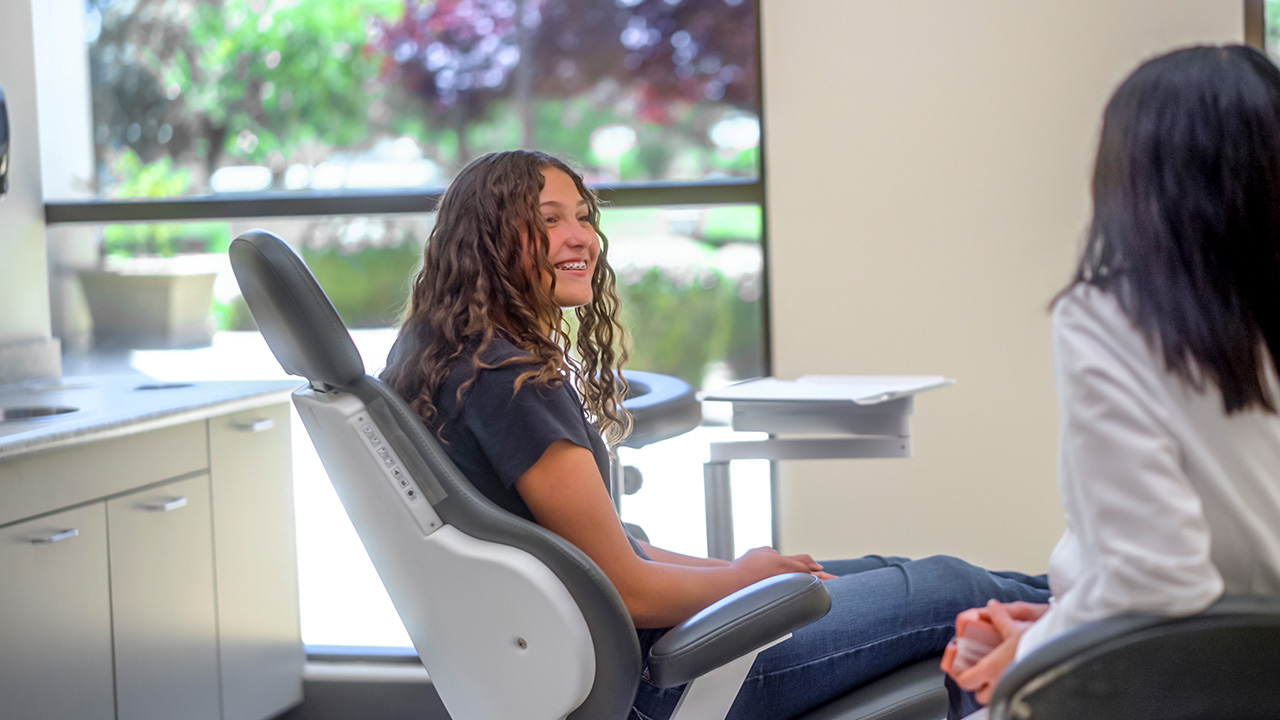
Many teens start between the ages of 11 and 16. During this stage of development, most permanent teeth have erupted, making it easier to identify crowding, spacing, bite problems, and other alignment concerns.
However, every patient is unique. Some teens may benefit from treatment earlier or later depending on their individual needs. A consultation with our orthodontist can help determine the best timing for braces.
At Shasta Orthodontics, we offer two proven treatment options for teens: metal braces and ceramic braces.
Traditional metal braces remain the most popular orthodontic treatment because they are durable, effective, and capable of correcting a wide range of orthodontic concerns.
Ceramic braces function similarly to metal braces but use tooth-colored or clear brackets that blend in more naturally with the teeth. Many teens appreciate the less noticeable appearance of ceramic braces while still benefiting from highly effective treatment.
Treatment time varies depending on the complexity of the orthodontic issues being addressed. Most teens wear braces for approximately 18 to 24 months, although some cases may be shorter or longer.
Factors that can influence treatment length include the severity of crowding, spacing, bite alignment, jaw development, and how well the patient follows treatment instructions.
Orthodontic braces for teens do not hurt when they are placed, but it is normal to experience some soreness after the initial appointment and following adjustment visits. This discomfort occurs because the braces are gradually moving the teeth into better positions.
Most teens find that any soreness is mild and temporary. Eating softer foods, using orthodontic wax, and following the orthodontist’s recommendations can help make the adjustment period more comfortable.
Yes. Teens with braces can continue participating in sports, band, choir, and most other activities. Athletes should wear a properly fitted orthodontic mouth guard to help protect their teeth, lips, and braces during practices and games.
Musicians who play wind instruments may need a short adjustment period, but most adapt quickly and continue performing without significant issues.
Certain foods can damage brackets and wires, which may delay treatment. Teens should avoid hard foods like ice, nuts, and hard candy, as well as sticky foods such as caramel, taffy, and chewing gum.
Cutting crunchy fruits and vegetables into smaller pieces can also help prevent unnecessary stress on the braces.
Regular adjustment appointments are essential for keeping treatment on schedule. During these visits, the orthodontist monitors progress and makes necessary adjustments to continue moving the teeth into proper alignment.
Missing appointments can slow progress and potentially extend treatment time.
can provide lifelong benefits by improving oral health, bite function, and smile confidence. Whether your teen needs metal braces or ceramic braces, the right treatment can make a lasting difference. Schedule a consultation with Shasta Orthodontics and meet with our orthodontist in Redding, CA, to learn more about your teen’s orthodontic options and create a personalized treatment plan. Call Shasta Orthodontics at (530) 223-6850.
Get Started Today