

A palatal expander is a small appliance that gently widens a narrow upper jaw while a child is still growing. Parents who visit our orthodontist in Redding, CA often hear about expanders for the first time at an early evaluation.
Here's what parents should know about how expanders work and why they help.
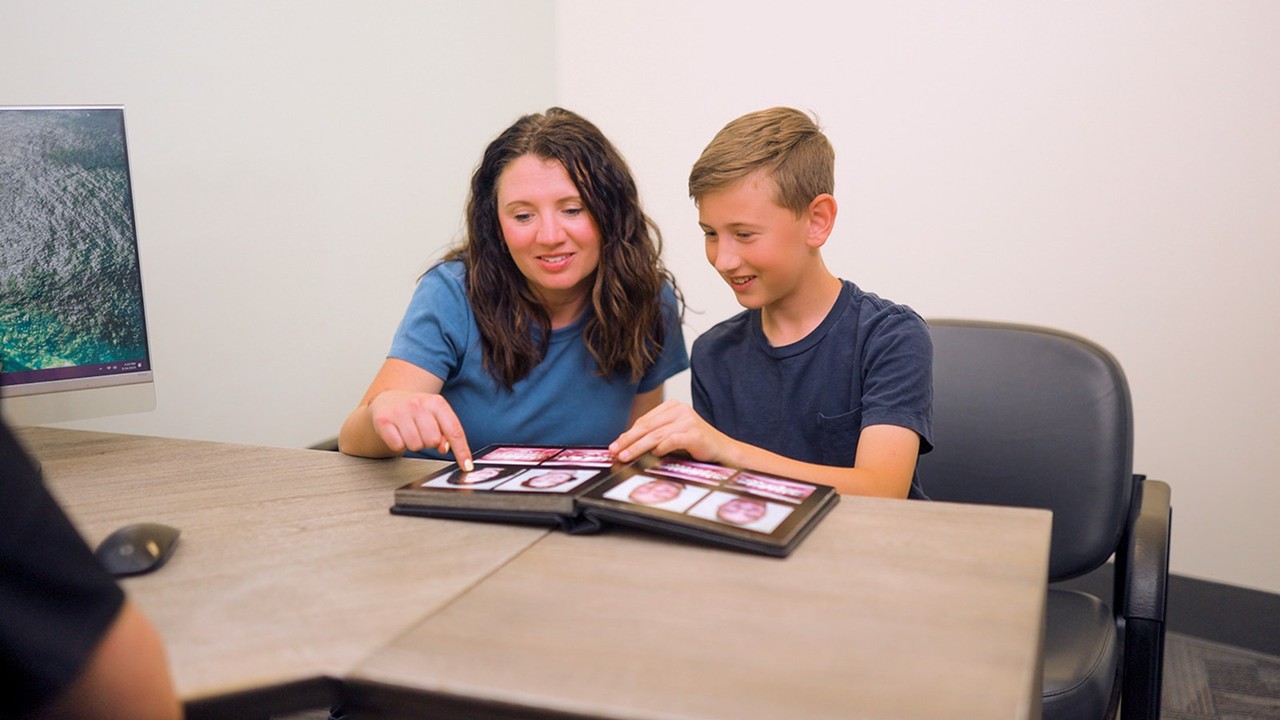
The roof of the mouth is made of two bony halves joined by a seam down the middle. According to the , an expander applies gentle, steady pressure that slowly moves those halves apart.
As the space opens, new bone fills in. The result is a wider upper arch that fits the lower teeth better.
A child's jawbones are still forming, which makes the upper jaw easier to widen. The says expanders are most often used for growing children and young teens.
Every child grows on a different schedule. The orthodontist looks at age, bite and skeletal maturity before recommending one.
Braces can move teeth, but they cannot widen the jawbone itself. An expander may be part of the plan when a child shows:
A crossbite, where upper back teeth sit inside the lower teeth
Crowding with too little space for permanent teeth
Adult teeth at risk of becoming stuck or impacted
Some breathing concerns linked to a narrow palate
Many of these signs show up around the age covered in when to see an orthodontist. Catching them early gives the most options.
Most expanders attach to the upper back teeth and sit across the roof of the mouth. Some use a small screw that parents turn with a special key on a set schedule, while others have built-in springs.
Once the jaw reaches the planned width, the expander usually stays in place for a few months. This rest period lets the new bone settle before the next step.
At Shasta Orthodontics, expanders are one of the tools used in Phase 1 orthodontic treatment. This early stage happens while a child still has some baby teeth.
The goal is to guide growth now so later treatment can be simpler. You can read more about the benefits of early orthodontics for growing smiles.
Food can collect around the appliance and along the gumline. Gentle brushing around every part of the device helps keep gums healthy.
Many of the same habits in cleaning teeth with braces apply here too. A water flosser can make the job easier.
Most kids feel pressure, tightness or mild tenderness rather than sharp pain, mainly in the first few days and after adjustments. The feeling usually fades as they get used to it.
The American Association of Orthodontists notes that discomfort should stay mild. If your child has pain that is severe or does not improve, call the office so the team can take a look.
Speech may sound a little different at first while the tongue adjusts to the appliance, and most kids improve with practice. Soft foods are easier during the first several days.
Sticky or very hard foods can be tough to manage and may damage the appliance. Cutting food into small bites and chewing slowly helps your child get comfortable sooner.
Some children develop a space between the front teeth as the upper jaw widens. It is a known side effect of expansion and does not usually mean something has gone wrong.
The Cleveland Clinic notes that this spacing can be corrected later with orthodontic treatment. Your orthodontist will plan for it as part of the next stage of care.
Many children do, but not all of them. At Shasta Orthodontics, the team monitors your child's growth once Phase 1 treatment is complete.
If more alignment is needed, Phase 2 often involves full braces and usually begins in the early teen years. Dr. McCarthy will explain whether a second phase makes sense for your child.
The first step is a no-cost consultation with Dr. Karen McCarthy. The team takes digital X-rays to check your child's bite and jaw alignment, then explains the options.
If treatment is recommended, Shasta Orthodontics offers no-interest financing with low monthly payments. You can ask about insurance and payment plans during that same visit.
If you have noticed crowding, a crossbite or other bite concerns, an early evaluation can show whether a palatal expander may help. Your child's visit with our orthodontist in Redding, CA will cover the right timing.
You can also review all of our orthodontic services before you come in.
Call Shasta Orthodontics today at (530) 223-6850 or request an appointment online.
Get Started Today