

If you’re preparing to start orthodontic treatment, it’s normal to wonder how braces might affect the way you speak. Many patients feel nervous about sounding different or having trouble pronouncing certain words at first. The good news? Any speech changes are typically minor, temporary, and part of the normal adjustment period. Whether you’re choosing ceramic braces or metal braces, understanding what to expect can help you feel more confident and prepared. With support from our orthodontist in Redding, CA, you’ll have the guidance you need to adjust smoothly.
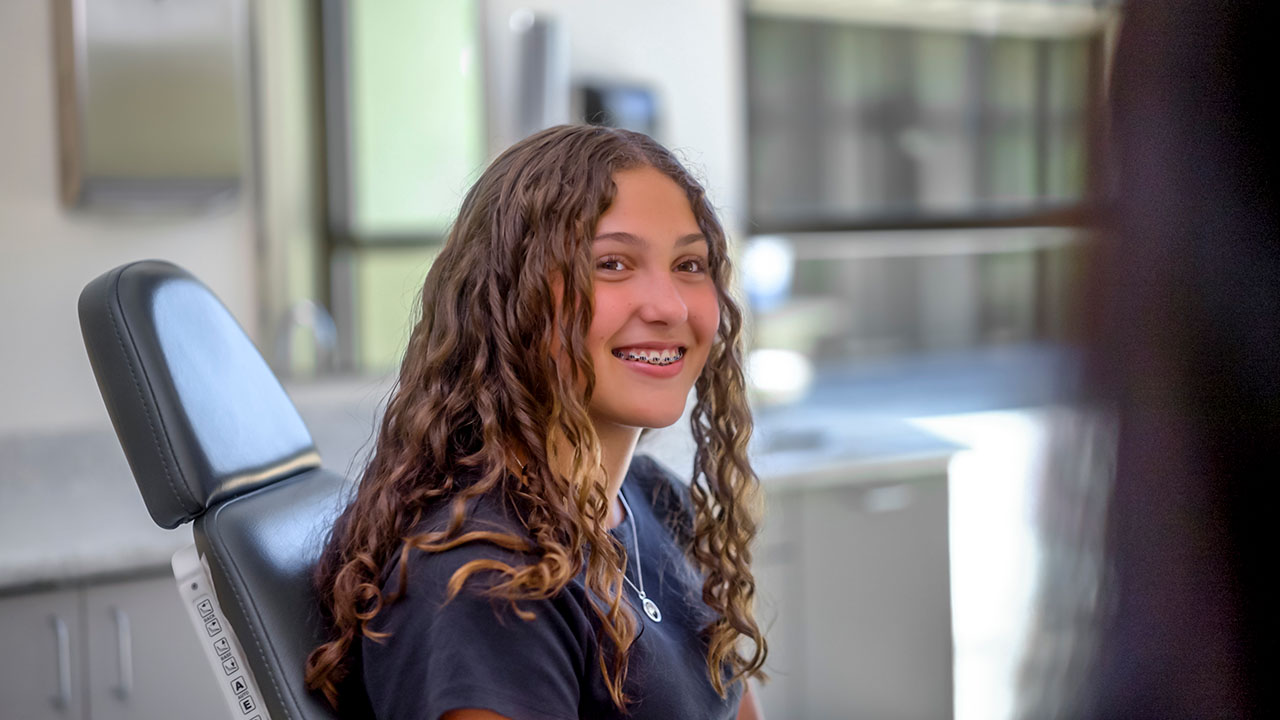
Your lips, cheeks, and tongue all work together when you speak. When braces are first placed, your mouth suddenly has new structures to get used to—brackets, wires, and gentle pressure on the teeth. Due to this, some patients experience a slight lisp or difficulty pronouncing “S” or “Z” sounds during the first few days.
Ceramic and metal braces both sit on the front surface of the teeth, so the adjustment process is similar for both. However, tend to have a smoother feel, which some patients find easier to adapt to.
Fortunately, any speech changes disappear quickly—usually within a few days. Your mouth adapts naturally as your tongue learns to navigate around the brackets. Think of it like breaking in a new pair of shoes: the first few days may feel different, but soon everything feels normal again.
Practicing speaking out loud can help speed up the adjustment period. Reading a book aloud, singing along to music, or repeating tongue twisters can give your tongue the “training” it needs to get comfortable more quickly.
As your teeth move into healthier alignment, your speech may actually improve. Misaligned teeth or bite issues can sometimes cause sound distortions or difficulty forming certain letters. correct these problems by guiding the teeth and bite into a more functional position. As your smile becomes straighter, you may notice clearer pronunciation and a smoother bite pattern.
Both types of braces can cause similar temporary adjustments. Ceramic braces are often chosen for their discreet appearance, while metal braces are known for their strength and efficiency. Speech adaptation tends to be nearly identical with either option, and most patients adapt quickly regardless of their choice.
Braces may cause small, temporary changes to your speech, but most patients adjust quickly and comfortably. Over time, orthodontic treatment can even improve your clarity and confidence in speaking. If you have questions about braces or want personalized guidance, schedule a consultation with our orthodontist in Redding, CA. Call Shasta Orthodontics at (530) 223-6850.
Get Started Today